


Authentication methods with Avendoo
APIs connect applications and enable the exchange of data and functions. To keep this exchange secure, the right Authentication is crucial. In Avendoo, you can work with OAuth 2.0 (recommended), but you can also use BasicAuth for testing purposes. Learn here how the methods differ and which additional Settings you need for use.
OAuth 2.0
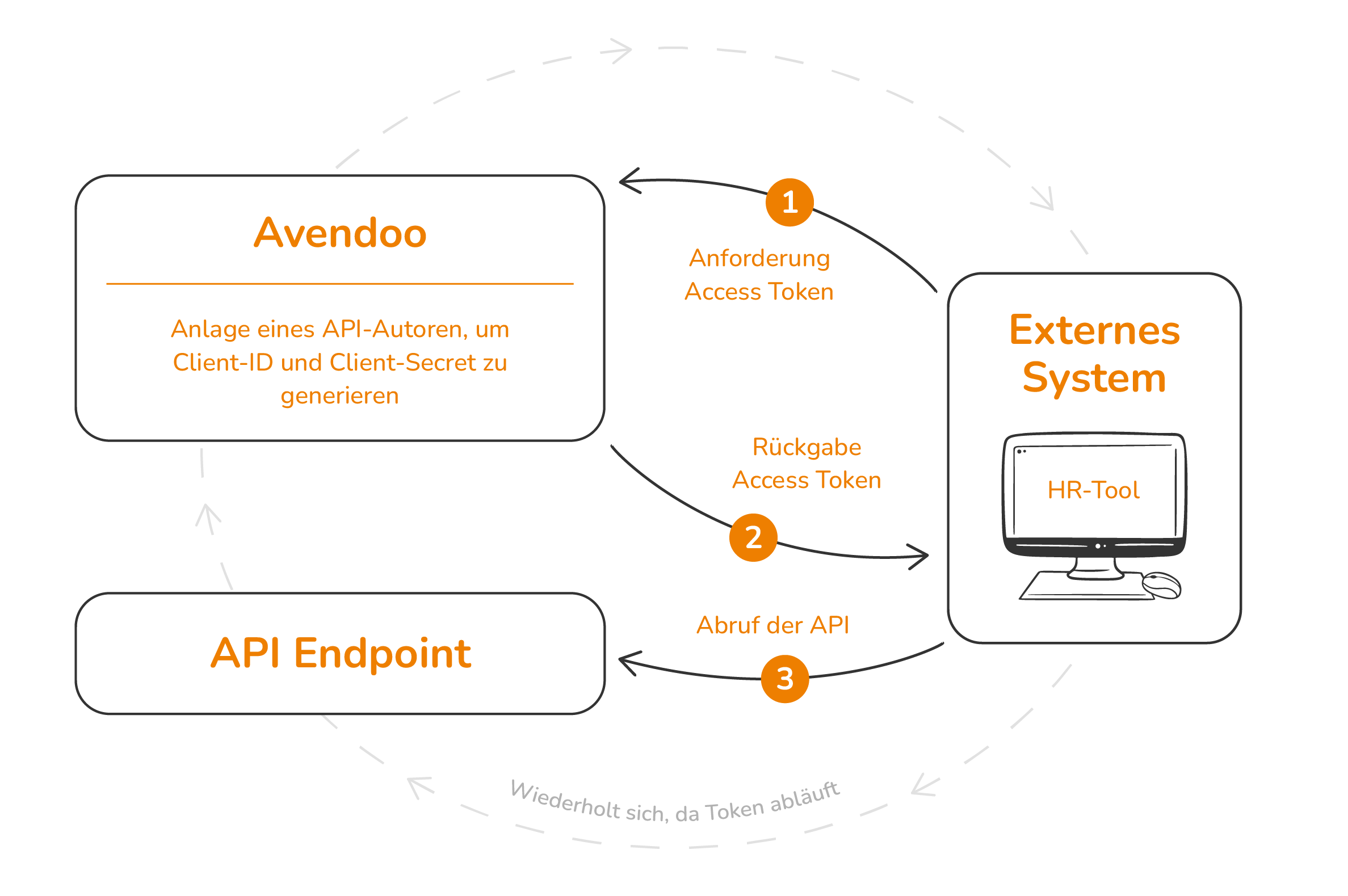
OAuth 2.0 is an open standard for secure Authorization. It allows applications to securely access services or Resources on behalf of a user—without the user having to disclose their Password.
Instead of a Password, OAuth 2.0 uses access tokens. These tokens are issued after the user gives consent and grant the application exactly the rights the user has allowed. It is the standard for APIs with high security requirements.
BasicAuth
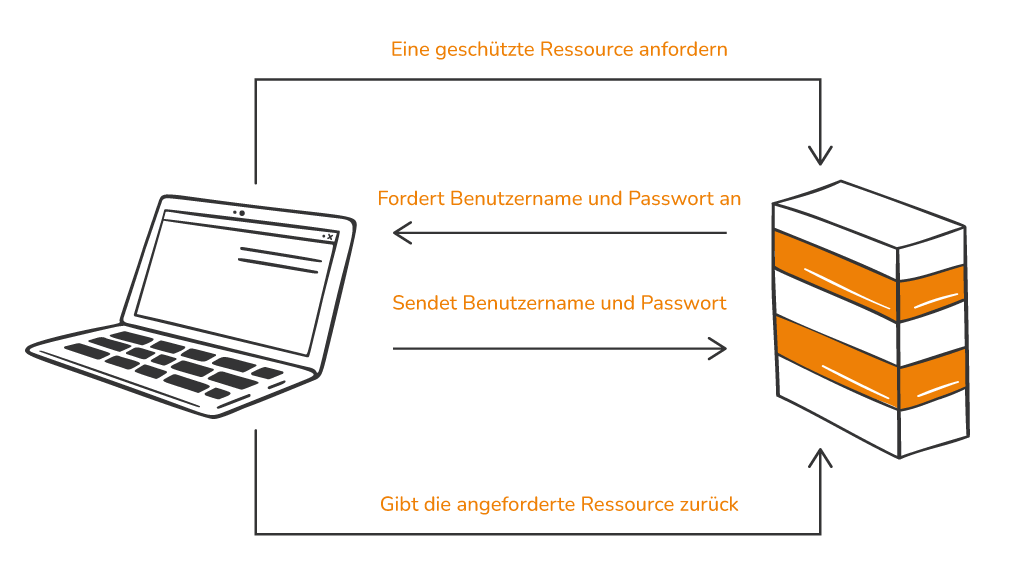
Basic Authentication uses a User name and Password for access. It is easy to set up, but only offers basic Safety and is therefore mainly suitable for internal or less critical applications, as well as in development systems.
Prereqisites
- Adjusting the System settings api.config:
- general.basic.auth=true
- general.oauth2.auth=true
- Generating the Client ID and the Client secret:
- in the Authoring Assistant → Master data, you can generate the Client ID and the Client secret under Login mechanism
Was this article helpful?
Thank you for your feedback!